

- 1. Verify Property Ownership, Documents, and Legal Requirements
- II. Check the Location, Accessibility, and Surrounding Environment
- III. Understand the Total Cost of Buying the Property
- IV. Evaluate Your Financing Options and Long-Term Affordability
- V. Inspect the Property’s Physical Condition, Boundaries, and Suitability for Intended Use
- VI. Review the Contract and Payment Terms Before Signing
- Property Buyer’s Checklist: Before You Commit
- Frequently Asked Questions About Buying Property in the Philippines
- Final Thoughts: Make Your Property Decision with Confidence
- Need Guidance with Your Property Search?
Buying property in the Philippines is an exciting milestone. Whether you’re purchasing your first home or investing in real estate for the future, it’s a decision that deserves careful consideration.
Imagine finding a property that seems to have everything you’re looking for. The location is promising, the price fits your budget, and you’re told that only a few units or lots remain available, or that several other buyers are interested. You might feel tempted to make a down payment right away, just to make sure you don’t miss the opportunity.
But before committing your hard-earned money, have you checked the details that matter most?
A property’s appearance, location, and advertised price are only part of the picture. Beyond what you can see, there are important details to look into, including legal ownership and required permits, the property’s actual condition, the full cost of buying it, and the terms you’re agreeing to.
Buying property isn’t just about finding something you like. It’s about understanding what you’re buying and making a decision you can confidently stand behind.
Here are six essential things to check before buying property in the Philippines.
1. Verify Property Ownership, Documents, and Legal Requirements
One of the most important steps in buying real estate is ensuring that the property is legally owned, that the person or entity offering it has the authority to sell, and that the necessary documents and approvals are in place.
The documents you need to verify may differ depending on whether you’re purchasing from a private property owner or a real estate developer.
A. Buying from a Private Property Owner
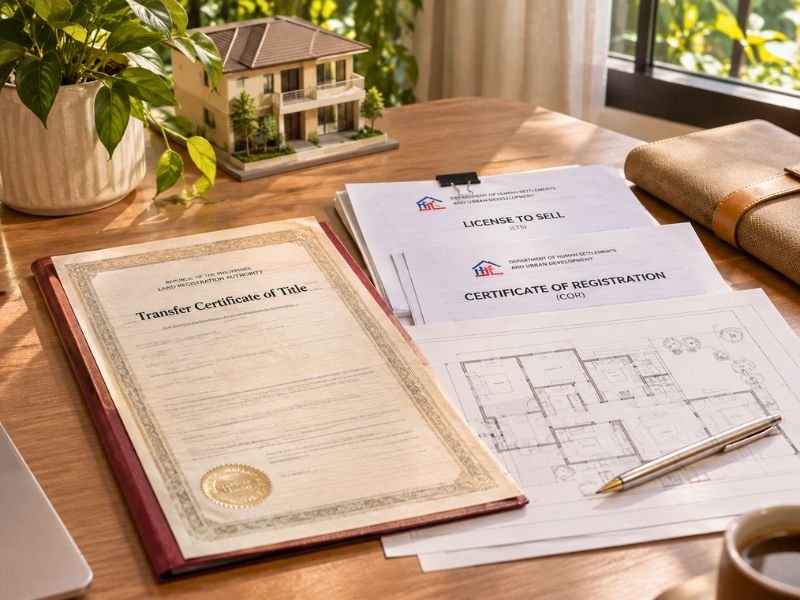
For privately owned titled properties, ask for a copy of the land title and verify the information against official records. Depending on the property, you may encounter a Transfer Certificate of Title (TCT), an Original Certificate of Title (OCT), or a Condominium Certificate of Title (CCT).
What should you check?
- Registered owner: Does the name on the title match the seller’s identity? If someone else is selling on the owner’s behalf, do they have the proper authority to do so?
- Property description: Do the lot number, location, area, and technical description correspond to the property being offered?
- Title annotations: Are there registered mortgages, liens, adverse claims, or other encumbrances that need to be addressed?
- Ownership circumstances: Is the property inherited, co-owned, or subject to a marital property regime? Additional documents or consent may be necessary.
To verify the property’s title, request a Certified True Copy (CTC) from the Registry of Deeds or through the Land Registration Authority’s eSerbisyo portal. With the necessary title details, prospective buyers can independently obtain an official copy and compare it with the documents provided by the seller. This is an important step in verifying registered ownership, property details, and any annotations that may affect the transaction.
It’s also important to understand the difference between a land title and a tax declaration. A tax declaration is primarily used for real property taxation and does not, by itself, establish ownership. For untitled land, the verification process differs and may require more extensive legal and documentary review.
Practical tip: Don’t rely solely on the seller’s photocopy of the title. Obtain an independently issued certified copy and seek professional assistance if any information is unclear.
B. Buying from a Real Estate Developer
If you’re purchasing a subdivision lot, house-and-lot package, or condominium unit from a real estate developer, there are specific project approvals and documents you should also verify.
Attractive marketing materials and project presentations can help you visualize a development, but they shouldn’t replace proper due diligence.
Start by researching the developer’s track record. Look into previously completed projects, their condition, and the developer’s history of delivering on commitments. Where possible, seek feedback from existing property owners.
Next, check the project’s government approvals.
For subdivision and condominium projects, the Department of Human Settlements and Urban Development (DHSUD) oversees registration and licensing requirements, subject to applicable laws and exemptions.
Two key documents to verify are:
- Certificate of Registration: Confirms that the project has been registered with DHSUD.
- License to Sell: Authorizes the sale of lots or units in the registered project.
A Certificate of Registration alone should not be mistaken for authorization to sell. Before paying a reservation fee, ask for the project’s License to Sell number and verify its status with DHSUD.
You should also review the approved development or site plans and check applicable permits, such as the Development Permit for subdivision projects. These documents can help you understand the approved layout, facilities, and scope of development.
What about pre-selling properties?
Pre-selling allows buyers to purchase a property before the project is completed. However, it’s important to understand the development timeline, turnover conditions, and available remedies in the event of delays. Ask for the project’s approved completion date and the expected turnover schedule, and ensure the agreed turnover date is clearly documented before signing.
Practical tip: Check which amenities are already available, still under construction, or shown only in marketing materials. Confirm that the promised facilities and improvements are included in the approved plans and the developer’s contractual commitments.
II. Check the Location, Accessibility, and Surrounding Environment
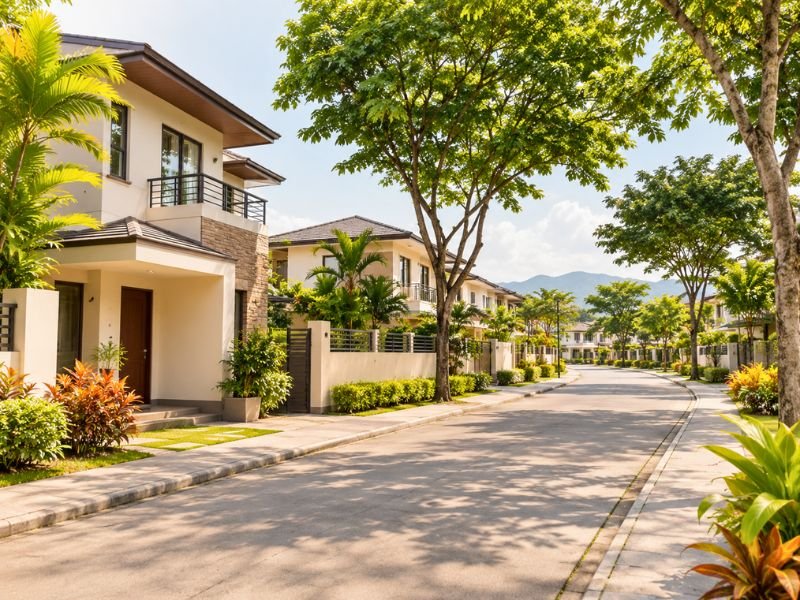
You’ve probably heard the familiar real estate saying: Location, location, location.
There’s a good reason location receives so much attention. It affects everyday convenience, how well a property suits your intended purpose, and its potential appeal to future buyers or tenants.
But a good location isn’t necessarily the same for everyone.
A family looking for a home may prioritize proximity to schools, workplaces, and shopping centers. Someone buying a commercial lot may place greater importance on road frontage, accessibility, and surrounding business activity.
Before deciding, consider the following:
Accessibility and Transportation
How easy is it to reach the property? Are the access roads usable throughout the year? Is public transportation available?
For properties located within subdivisions, check the road network and actual access to the lot.
Nearby Establishments and Services
Consider the distance to essential destinations such as schools, hospitals, markets, and commercial centers.
Remember that advertised travel times may differ considerably depending on traffic and road conditions.
Flooding and Other Natural Hazards
A property may look attractive during a sunny afternoon but experience drainage problems during heavy rainfall.
Research the area’s exposure to flooding, landslides, earthquakes, and other relevant hazards.
The government’s HazardHunterPH platform can provide an initial location-based hazard assessment. Its results are indicative and should not replace a detailed technical assessment when one is necessary.
Future Developments and Their Potential Impact
Look into surrounding developments and planned infrastructure projects.
While new roads and commercial developments may improve accessibility and convenience, other projects could have less favorable effects. For example, road widening may affect a property’s usable area, access, or surroundings, potentially reducing its value.
Consider both the potential benefits and drawbacks of future developments. Keep in mind that proposed developments may not always materialize, and any potential increase in property value is never guaranteed.
Practical tip: Visit the property in person when possible, ideally at different times and under varying weather conditions. Ask people familiar with the neighborhood about drainage, traffic, utilities, and accessibility.
III. Understand the Total Cost of Buying the Property
A common mistake when buying property in the Philippines is focusing only on the advertised selling price.
However, the selling price doesn’t always reflect the total cost of purchasing and owning a property.
Aside from the selling price, there may be additional taxes, fees, and other expenses to consider, depending on the transaction:
- Capital Gains Tax (CGT), Value-Added Tax (VAT), or other applicable national taxes, depending on the nature of the transaction and the property’s tax classification.
- Documentary Stamp Tax (DST)
- Local transfer tax
- Registration fees
- Notarial and documentation expenses
- Loan processing, appraisal, and other financing charges
- Association or condominium dues and ongoing maintenance costs
Not every expense applies to every purchase, and responsibility for certain taxes and fees may depend on the transaction, applicable laws, and the agreement between the buyer and seller.
For example, the expenses involved in purchasing a resale residential lot may differ from those associated with buying a pre-selling condominium directly from a developer.
Before committing, request a written breakdown of the total contract price, payment schedule, estimated additional charges, and the party responsible for each expense.
Consider this example:
A property advertised at ₱2.5 million may initially appear affordable based on the required down payment.
But if you haven’t accounted for financing charges, transfer-related expenses, and future obligations, your actual cash requirements could exceed your original budget.
The important question isn’t simply, Can I afford the down payment?
It’s also, Can I comfortably afford the entire purchase and the obligations that follow?
Practical tip: Clarify whether the reservation fee or initial payment will be credited toward the purchase price and under what circumstances it may be refundable.
IV. Evaluate Your Financing Options and Long-Term Affordability
Buying property is a significant financial commitment, particularly when the purchase involves a housing loan or installment arrangement.
Before choosing a property, assess your financial capacity realistically.
If you’re planning to finance the purchase, common options may include:
Bank Financing
Banks offer housing loans with varying interest rates, repayment terms, eligibility requirements, and loan-to-value limits.
Compare interest rates, repayment terms, fees, and the total cost of borrowing. Check whether the interest rate is fixed for the entire loan term or subject to repricing, as changes in interest rates may affect your monthly amortization.
Pag-IBIG Fund Housing Loans
Qualified members may be eligible for Pag-IBIG housing financing, subject to the Fund’s prevailing policies, documentary requirements, and credit evaluation.
Developer Financing or Installment Arrangements
Some developers offer in-house financing or installment arrangements. These may provide an alternative to bank financing, but buyers should carefully compare the interest rates, repayment terms, and consequences of missed payments.
Regardless of the financing option, approval is not guaranteed and may be subject to eligibility requirements and financial assessment.
The approved loan amount may be lower than the property’s selling price, depending on your financial qualifications and the lender’s appraisal. Be prepared to cover any difference.
Look Beyond the Monthly Amortization
A lower monthly payment may appear attractive, but a longer repayment term can increase the total amount paid over time.
Also consider whether your household budget can accommodate changes in income, unexpected expenses, and other financial responsibilities.
For OFWs, additional considerations may include currency fluctuations, overseas income documentation, and arrangements for signing or processing documents while abroad.
Practical tip: Request sample amortization schedules, compare financing options, and establish a comfortable budget before selecting a property.
V. Inspect the Property’s Physical Condition, Boundaries, and Suitability for Intended Use
A property may look appealing in photographs, brochures, or online listings, but its actual condition and suitability deserve closer inspection.
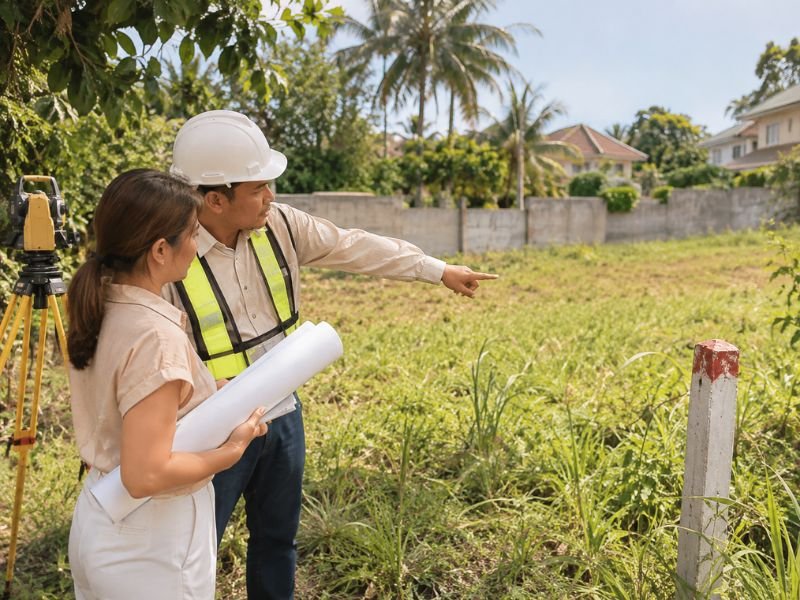
Whenever possible, arrange a site inspection before making a significant financial commitment. If you’re based overseas or unable to visit personally, you may ask a trusted relative or friend to inspect the property on your behalf. At Coradeo, we can also arrange a live virtual property tour, allowing you to view the property, explore its surroundings, and ask questions in real time.
Beyond the initial inspection, here are several important aspects to evaluate:
Physical Condition and Site Characteristics
For houses and condominium units, check for visible signs of damage, water leaks, cracks, drainage problems, and other issues that may require repairs.
For vacant lots, consider the terrain, elevation, soil conditions, drainage, and accessibility. A property with uneven or sloping terrain may require additional site preparation before construction.
Where appropriate, consider engaging qualified professionals to assess concerns that may not be apparent during an ordinary site visit.
Property Boundaries and Actual Lot Area
For land purchases, don’t rely solely on fences, markers, or the boundaries pointed out during a site visit.
Compare the property’s actual location and boundaries with its title, technical description, and approved survey plan.
If boundaries are unclear or there are indications of encroachment, consider having the property verified by a licensed geodetic engineer before proceeding.
Utilities and Essential Services
Check the availability and actual status of essential services, including:
- Water supply
- Electricity
- Drainage and sewerage facilities
- Internet and telecommunications connectivity
Don’t assume that utilities are readily available simply because nearby properties already have them.
For properties in developing subdivisions, clarify which services are operational, which are still being installed, and whether additional connection costs may apply.
Road access
Verify that the property has adequate and legally established access to a public road. A visible pathway or an access route through neighboring land does not necessarily mean the property has a legal right of way.
Zoning and Permitted Land Use
A property’s location or appearance doesn’t necessarily mean it can legally be used for your intended purpose.
Before purchasing land for residential, commercial, agricultural, or other uses, verify the applicable zoning classification and permitted uses with the local government unit.
If you plan to construct a building, establish a business, or develop the property, check whether the proposed use is allowed and what permits or approvals may be required.
Practical tip: Don’t rely solely on what you see during a property viewing. Verify important details, ask questions about anything unclear, and seek professional advice when necessary. Identifying potential issues early can help you avoid unexpected costs and complications later.
VI. Review the Contract and Payment Terms Before Signing
Before signing any document or making a payment, take time to understand exactly what you’re agreeing to.
Whether you’re purchasing directly from a property owner or through a developer, the terms of the agreement can affect your rights, responsibilities, and available remedies if something goes wrong.
Here are some important provisions to review:
Type of Contract and Transfer of Ownership
Understand whether you’re signing a Contract to Sell, a Deed of Absolute Sale, or another type of agreement.
These documents serve different purposes and have different legal implications. For example, signing a Contract to Sell or making a down payment does not, by itself, transfer ownership.
Payment Terms and Conditions
Review the agreed payment schedule, due dates, and conditions for completing the purchase.
Pay particular attention to late-payment penalties, grace periods, and the consequences of missed installments.
Make sure that verbal promises or special arrangements are properly documented in the agreement.
Turnover and Delivery Conditions
Ensure that the agreed turnover date, delivery conditions, and the seller’s or developer’s obligations are clearly stated in the contract.
Clarify what is included in the purchase, such as fixtures, finishes, parking allocations, or other promised features, where applicable.
Also review the provisions addressing delays, incomplete work, and defects discovered upon turnover.
Cancellation, Refunds, and Buyer Protections
Understand what happens if you can no longer continue paying or if the seller or developer fails to fulfill contractual obligations.
Depending on the transaction, Philippine laws such as Republic Act No. 6552 (Maceda Law) and Presidential Decree No. 957 may provide certain buyer protections, including rights and remedies related to installment payments, cancellations, refunds, and developer obligations.
These protections are subject to specific conditions and may not apply to every property transaction.
Before signing, clarify the conditions for cancellation, possible refunds, and the remedies available to you.
Review the Final Documents Carefully
Read the complete agreement, including attachments, schedules, and referenced documents.
Check that the property details, parties’ names, agreed terms, and other material information are accurate and consistent.
If any provision is unclear, ask for an explanation before signing. For complex transactions or significant legal concerns, consider seeking advice from a qualified lawyer.
Practical tip: Request a copy of the proposed contract in advance so you have enough time to review it without pressure. Avoid signing documents with blank spaces or relying on verbal assurances that are not reflected in the written agreement.
Property Buyer’s Checklist: Before You Commit
Before paying a reservation fee, making a down payment, or signing an agreement, use this checklist to review the essentials.
- Ownership and legal documents: Have you verified the property title, seller’s authority, and relevant permits or approvals?
- Location and surroundings: Have you assessed accessibility, nearby facilities, natural hazards, and potential developments in the area?
- Total purchase costs: Do you understand the full purchase price, applicable taxes, fees, and other expenses?
- Financing and affordability: Have you reviewed your financing options, payment obligations, and long-term financial capacity?
- Property condition and suitability: Have you checked the property’s physical condition, boundaries, utilities, road access, and permitted use?
- Contract and buyer protections: Have you reviewed the agreement, payment terms, turnover conditions, and applicable cancellation or refund provisions?
Remember: If something is unclear or a required document is unavailable, seek clarification and verify the information before proceeding. Taking time to address concerns early can help you make a more informed property decision.
Frequently Asked Questions About Buying Property in the Philippines
1. What should I check before buying property in the Philippines?
Before buying property, verify ownership and legal documents, assess the location and surrounding environment, understand the total purchase costs, review financing options, inspect the property’s condition and boundaries, and carefully examine the contract terms.
2. How can I verify if a land title is legitimate in the Philippines?
You can request a Certified True Copy of the title from the Registry of Deeds or through the Land Registration Authority’s eSerbisyo service. Compare the title details with the seller’s documents and check for annotations, encumbrances, or discrepancies that may require further verification.
3. Can I buy property in the Philippines without personally visiting or signing documents there?
Yes. Filipinos living abroad can purchase property in the Philippines without being physically present for every step. You may authorize a trusted representative through a Special Power of Attorney (SPA) to handle specified transactions on your behalf.
Depending on where the SPA is executed, it may need to be notarized and apostilled or authenticated through the appropriate Philippine Embassy or Consulate. Banks, developers, and government offices may also have their own documentation requirements.
Before proceeding, confirm the required documents and procedures with the parties involved.
4. What additional expenses should I prepare for when buying property in the Philippines?
Aside from the selling price, buyers may need to budget for applicable taxes, transfer and registration fees, notarial expenses, financing charges, and ongoing property-related costs. The actual expenses and responsibility for payment depend on the transaction and the agreement between the parties.
5. Is a reservation fee refundable when buying property in the Philippines?
Not necessarily. Whether a reservation fee is refundable depends on the reservation agreement, the circumstances of cancellation, and applicable laws. Before paying, request written confirmation of the refund conditions and whether the fee will be credited toward the purchase price.
Final Thoughts: Make Your Property Decision with Confidence
Buying property in the Philippines is a significant decision, whether you’re purchasing a home for your family or investing for the future.
While finding the right property is important, taking the time to ask questions, verify information, and understand your commitments is just as essential.
A sound property decision begins with understanding what you’re buying, the responsibilities involved, and how the property fits your needs and long-term goals.
Need Guidance with Your Property Search?
At Coradeo, we believe that every property decision deserves thoughtful consideration. Whether you’re exploring your options, evaluating a property, or preparing to make a purchase, we’re here to help you navigate the process with clarity and confidence
Have a property in mind or questions about buying? Get in touch with Coradeo to discuss how we can help.
Disclaimer: This article is provided for general informational and educational purposes only. While we strive to provide accurate and up-to-date information, laws, regulations, and requirements may change. Readers are encouraged to verify relevant information with the appropriate government agencies or qualified professionals before making property-related decisions.